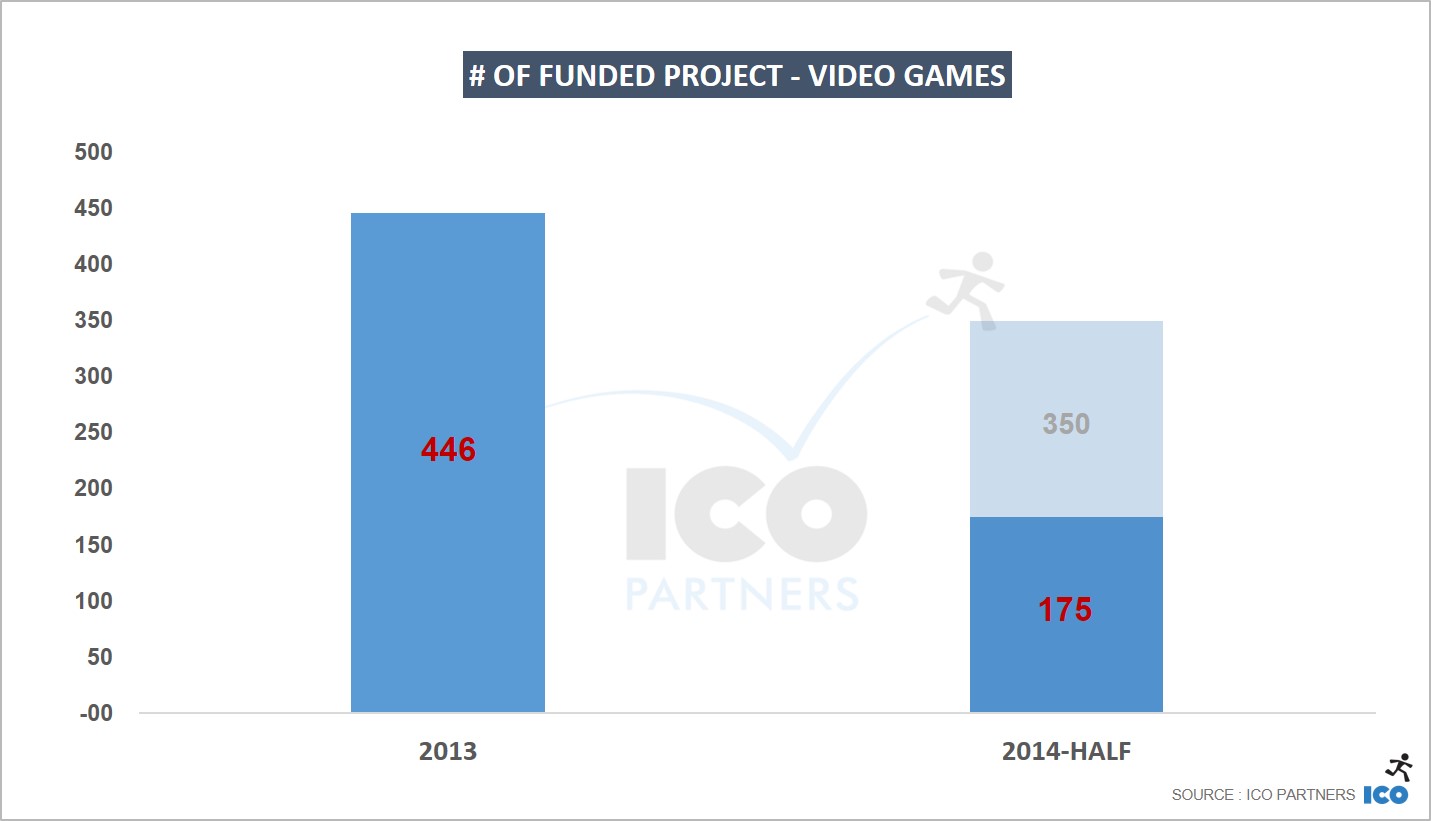
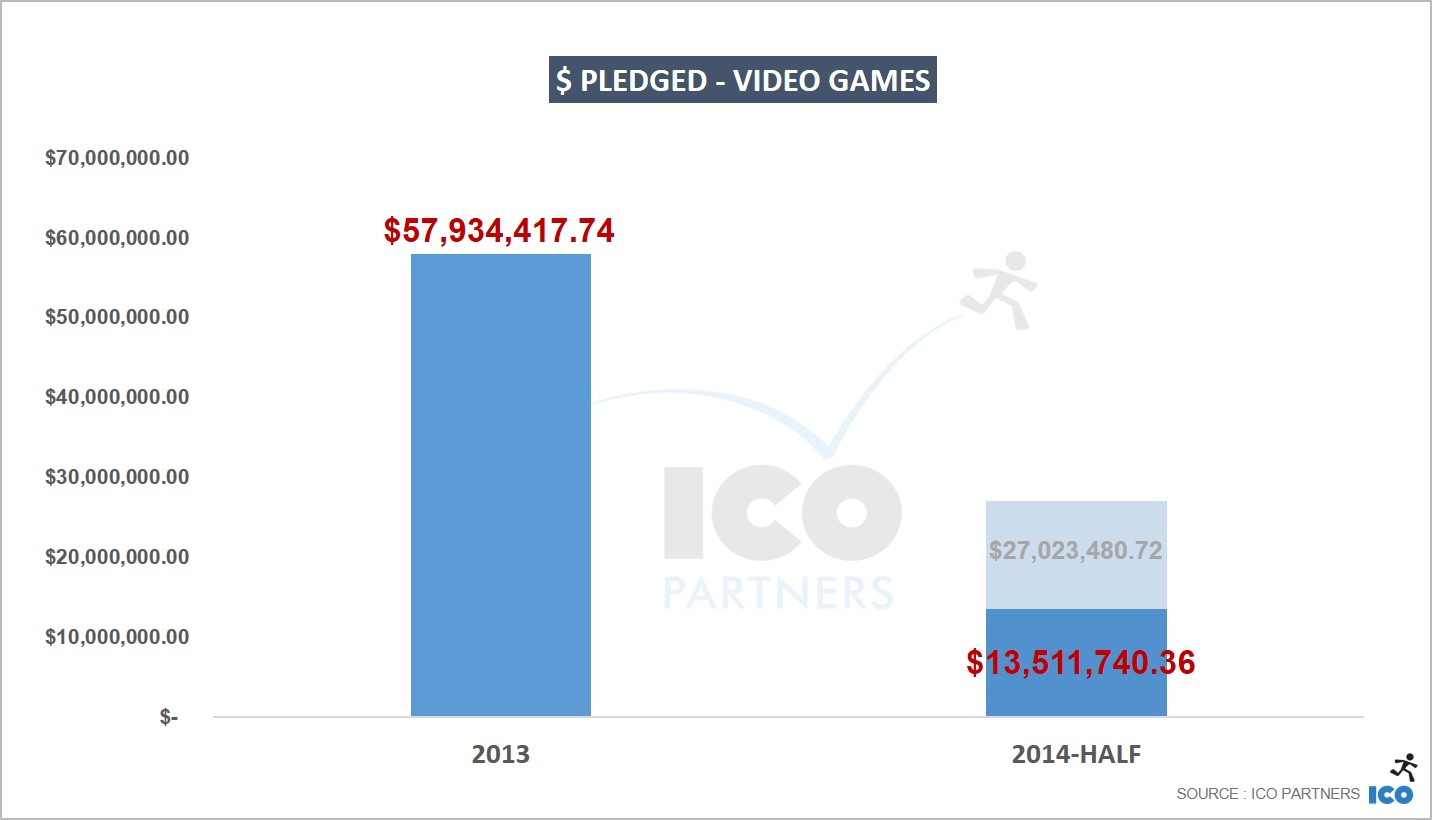
In fact, I find it a bit comforting that video games on Kickstarter can get funded without the attention of the large (and very difficult to emulate) projects.
The honeymoon is over.
In 2012, when Double Fine Adventure hit Kickstarter and took the game industry by surprise, there was a fresh enthusiasm for the model. It was new, it was giving the power back to the creative people and keeping you away from the "evil publishers". Each big success was carrying its own particle of magic, and as time went by, the not-so-magic-in-the-end (OUYA) were outshined by the success stories (Oculus).
In 2013, there were more caution right and left, we started to see the first game coming out, and the freshness of it all was wearing out. It wasn't so apparent, mostly because of those existing brand going to Kickstarter were pushing its limits, but I think it was there already.
Comes 2014, and people are not impressed anymore by the model. It has its shares of failures (Clang, Yogscast) that skeptics like to throw around (rightfully so sometimes), but I also think it has reached a maturity point. I am definetely a crowd funding enthusiast - I am supporting a fairly large number of projects. But I support those projects with expectations that I think are right: not all projects backed will be good, not all of them might come out, but all of them have something that makes me want them to succeed and support them in that process. I hope that this view of crowd funding is getting more and more prevalent among the backers - more so than the "it is just like a pre order" mentality.
There is competition.
Another big factor to take into account is the appearance of Early Access on Steam.
The vast majority of the Kickstarter video game projects are PC-based and when you consider the amount of work required to get a project funded on Kickstarter, compare it to the relative ease to go to Early Access in comparison, and add to that the fact that on Early Access the funding doesn't stop after one month, I suspect a lot of Early Access successes skipped the crowd funding phase to go directly to alpha funding.
I cannot fault them - Early Access is a great opportunity for developers as well. Not entirely incompatible with a crowd funding campaign, it can still prevail because the amount required is not as important.
Especially with the current trend where projects do need at least a playable demo to get a chance to get funded. If you have a playable, why not go directly to Early Access?
I see a lot of added value for a crowd funding campaign still - it is a catalyst, it gives drive to your fans to talk about your project a lot in a limited time frame, it forces you to think about your project differently and learn how to communicate on it - but it is not a solution that is good for every project.
Overall, as I said earlier, it looks like crowd funding for games has declined. I take it as step towards maturity - it will possibly steadily grow from there and be a bit more sane than it has been in the past two years.